Published by:

Dalibor Vuchikj
28 Oct 2026
My vision is to support companies and organizations in the development and implementation of mechanical engineering and operational projects. As a Mechanical Engineer by education, combined with a deep passion for new technologies. Specialize in offering cutting-edge digital methods and technologies, including 3D scanning, intelligent 3D modeling, documentation, 3D data processing and optimization, analysis, simulations, VR integration, and more.

Do You Really Need a Full As-Built 3D Model Before You Know What You Want to Build?
In industrial projects, 3D laser scanning and as-built modeling are often requested when a production process needs to be upgraded, new equipment must be installed, or an existing system needs to be modified.
In many cases, equipment suppliers also require as-built documentation before they can develop a detailed design.
But there is an important question worth asking:
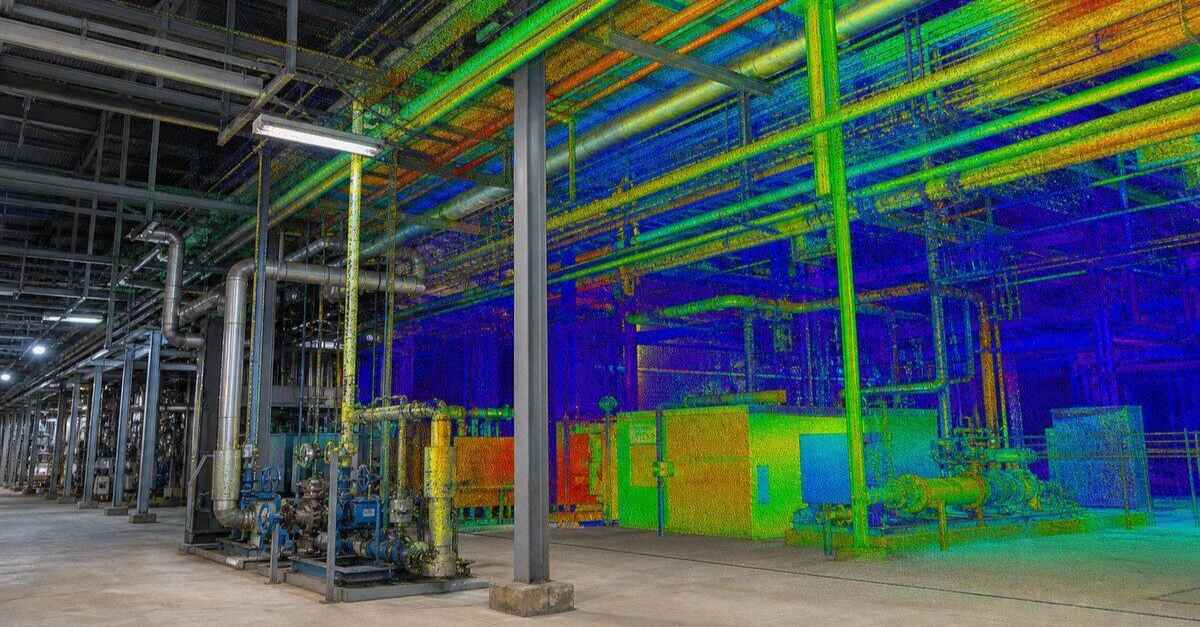
Do you really need a complete 3D scan and detailed as-built model at the very beginning of an investment project?
During the initial phase, when a company is evaluating feasibility, estimating costs, and planning implementation timelines, the answer may be no.
A different approach can help.
Start with the concept, not the full documentation
At the initiation stage, the objective is to understand whether a proposed solution is feasible, what it might cost, and how it could fit into the existing production environment.
Instead of immediately investing in a complete scanning and modeling process, a company can start with the available drawings, existing documentation, and a preliminary design provided by the equipment supplier.
At this stage, the design does not necessarily need the same level of detail as the final engineering model.
Validate the design using Augmented Reality
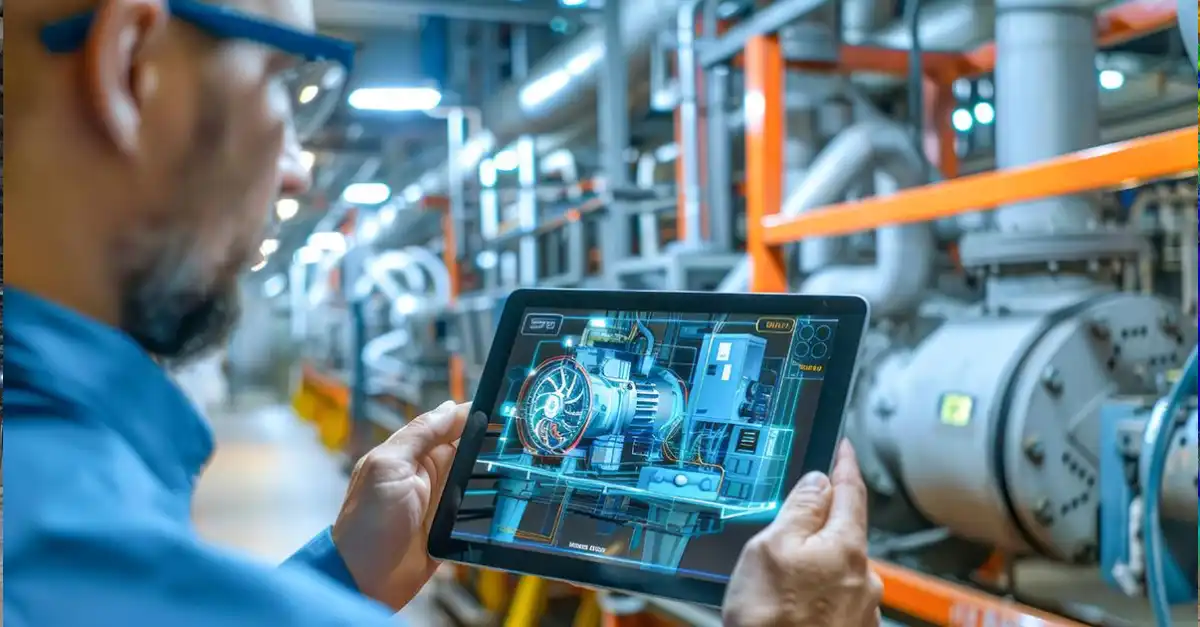
Once the preliminary design is available, Augmented Reality (AR) can help bring that design into the real industrial environment.
Engineers and project stakeholders can visualize the proposed equipment or system in its intended location and assess potential spatial conflicts, accessibility, and possible design changes.
This creates an opportunity to discuss adjustments with the supplier before the project moves into detailed engineering.
It is important to understand that AR supports visual validation, but it does not replace precise measurements or engineering verification where these are required.
Make better investment decisions earlier
Identifying potential design issues at the concept stage can help avoid unnecessary design iterations and provide a better basis for preliminary cost estimates, supplier discussions, and contractor selection.
The main benefit is not simply using a different technology. It is avoiding the cost and effort of producing detailed documentation before the project requirements are sufficiently clear.
Know when to move to detailed engineering
Once the investment moves from initiation into detailed design, the requirements change.
Accurate existing-condition data, detailed models, and verified dimensions may become essential for coordinating systems, resolving clashes, preparing installation plans, and supporting execution.
This is where 3D laser scanning and as-built modeling become particularly valuable.
The objective is not to avoid scanning. It is to use it at the right stage, with the right level of detail, for the right purpose.
The real question is not whether you need 3D scanning. It is when you need it — and whether you can validate your initial design before committing to a full digital documentation process.